
Why Circularity Fails in Production
Circularity is being measured across the manufacturing industry—but measurement alone doesn’t guarantee better outcomes.
On paper, materials may meet sustainability targets. In production, those same materials can introduce variability, create defects, or increase total cost. When that happens, circularity hasn’t improved—it’s just being reported.
The gap comes down to performance.
For circular systems to actually work, materials need to meet three core requirements: they must run clean in production, deliver consistent results across batches, and hold performance over time. If any of those break down, the system becomes inefficient, regardless of how it scores on a report.
This is where most approaches fall short. They focus on inputs—where material comes from—rather than outcomes—how it performs.
At MRC Polymers, the focus is different. Instead of asking manufacturers to adapt their processes to fit materials, the goal is to engineer materials that perform within existing systems. That means reducing variability, improving flow, and ensuring repeatability at scale.
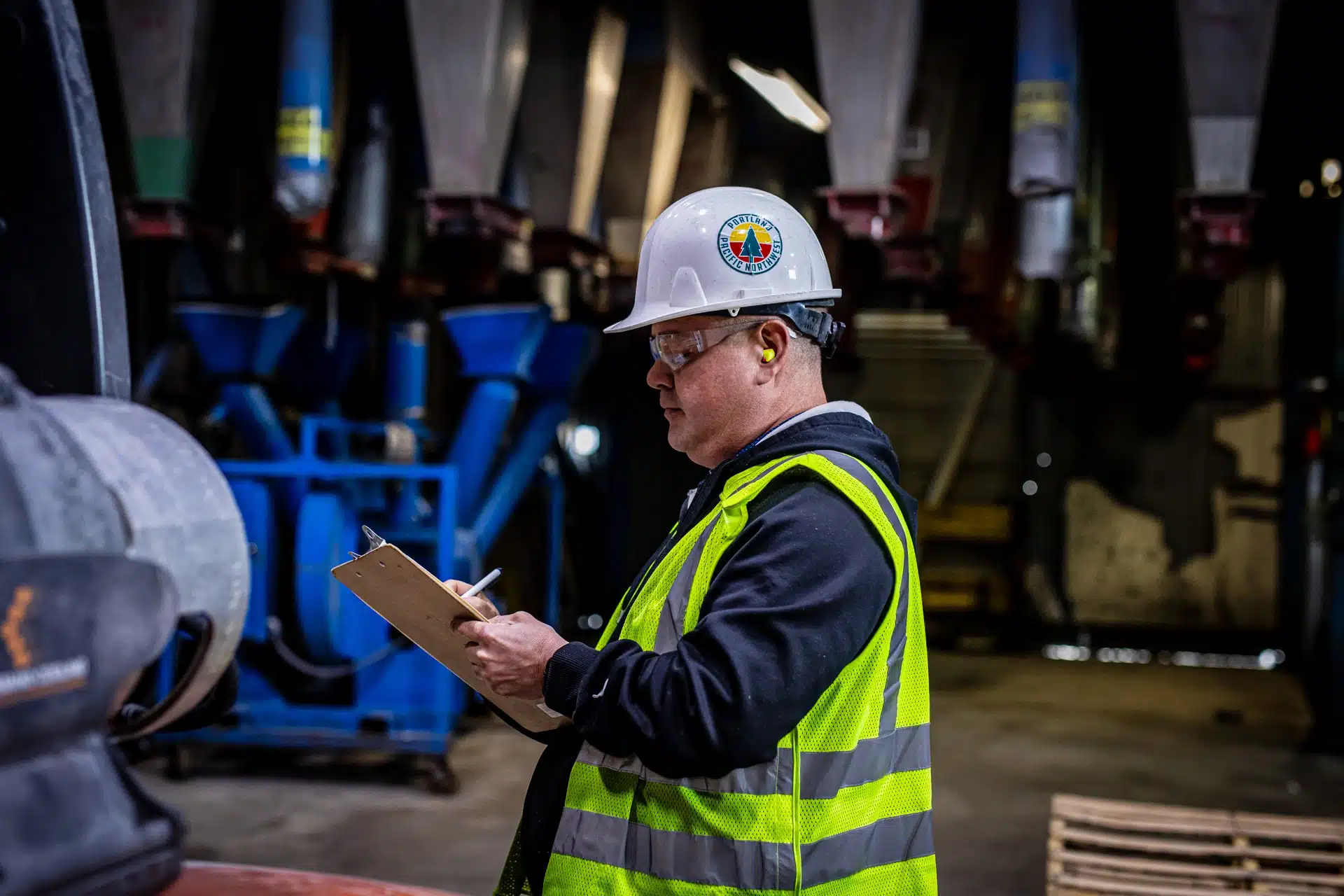
Real circular progress doesn’t happen in theory. It happens on the floor—where performance, cost, and consistency all need to align.