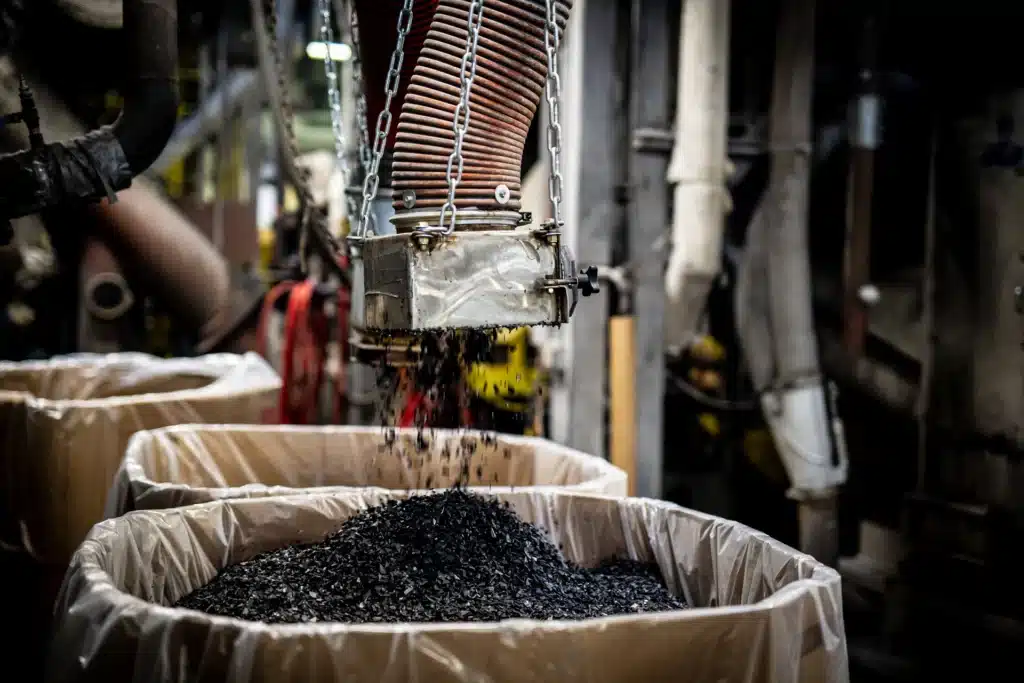
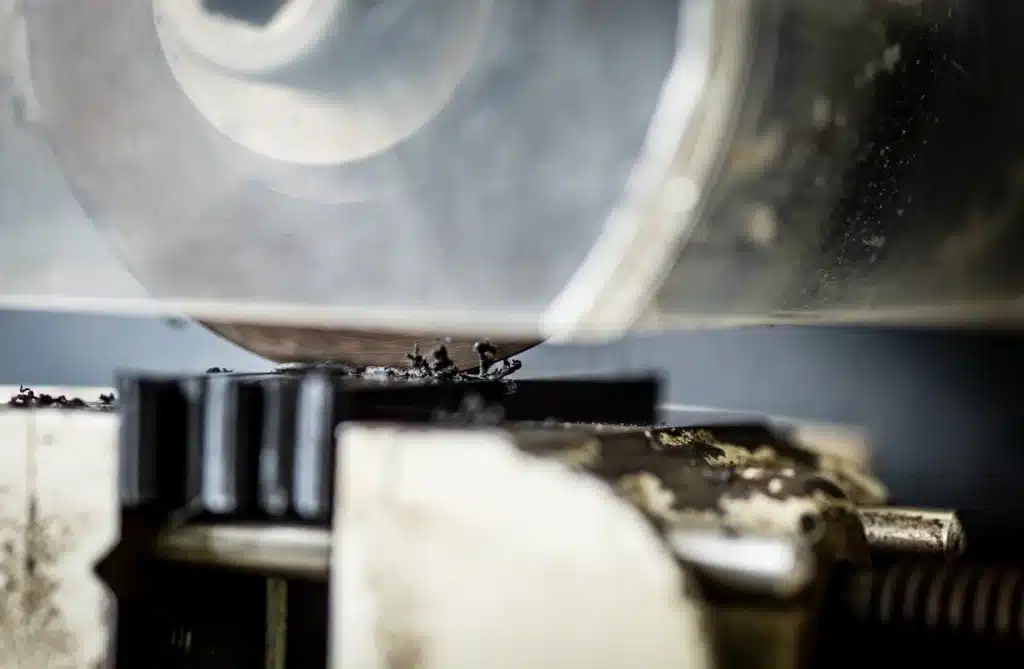
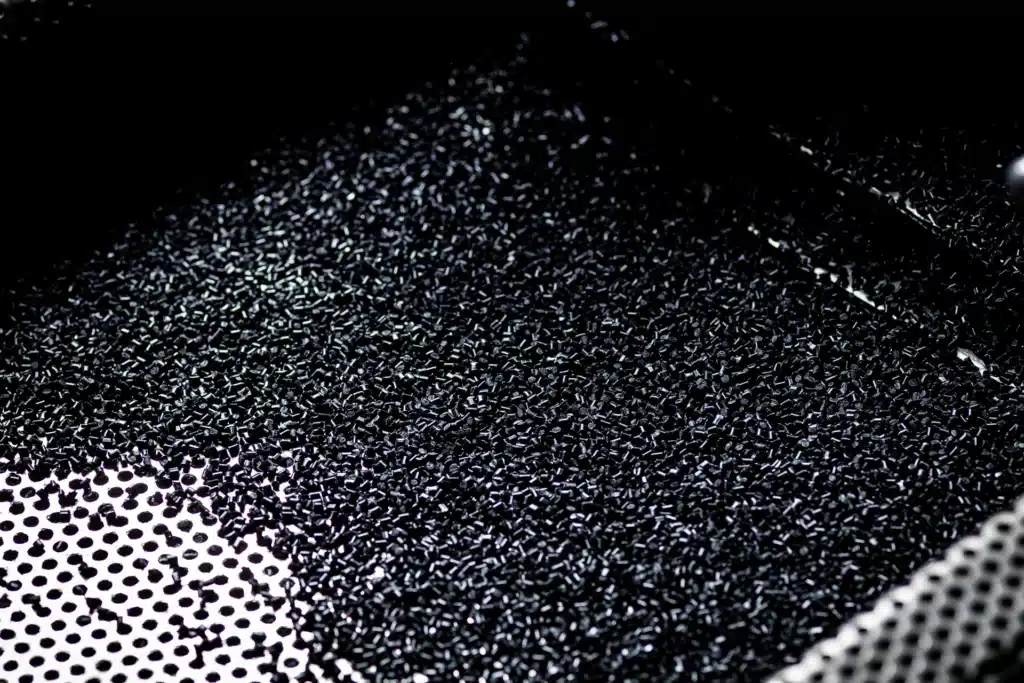
Incoming materials vary. That’s the reality of circular systems. Performance comes from how those materials are refined, blended, and controlled before they ever reach your floor. At MRC, refinement is where variability is reduced and consistency is created.
How We Refine For Performance
We don’t rely on fixed formulations. We actively manage material inputs throughout production to deliver stable, repeatable outcomes.
Our refinement process includes:
Sorting and separation to control input streams
Cleaning and preparation through proprietary washing systems
Controlled blending to balance material properties
Real-time adjustments during processing
The goal is simple: deliver materials that behave the same way—run after run.
Designed For Real-world Conditions
Production environments aren’t perfect, and materials shouldn’t require them to be.
We refine materials to:
Run clean in existing equipment
Minimize variability across batches
Reduce defects caused by inconsistency
Maintain performance under real operating conditions
If a material only works under ideal conditions, it doesn’t work.
Control at Every Step
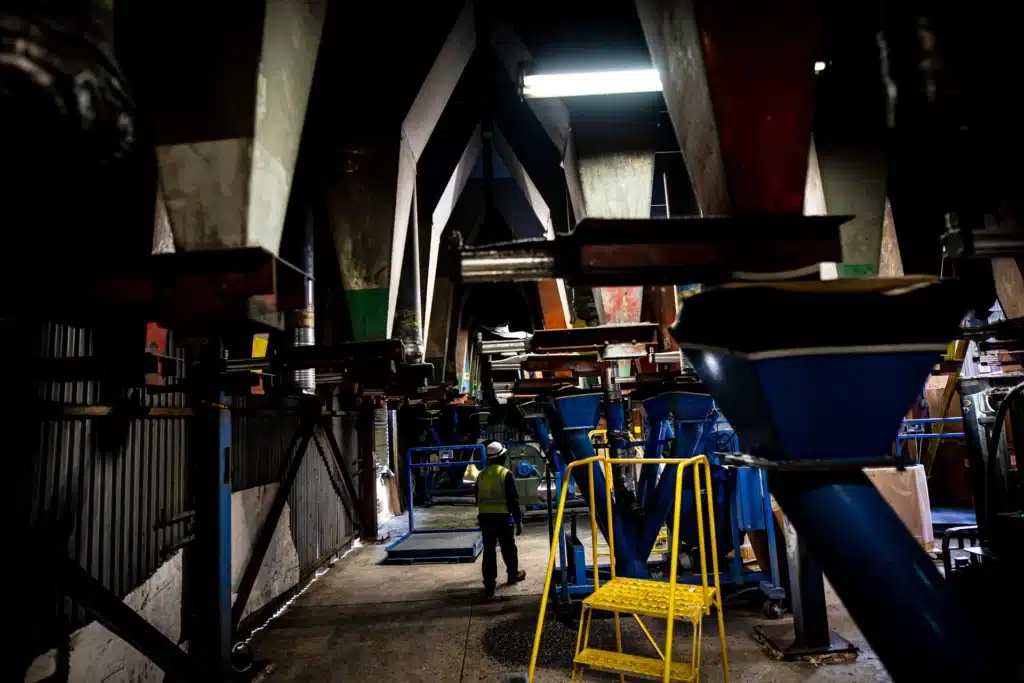
Refinement isn’t a single step—it’s a controlled system.
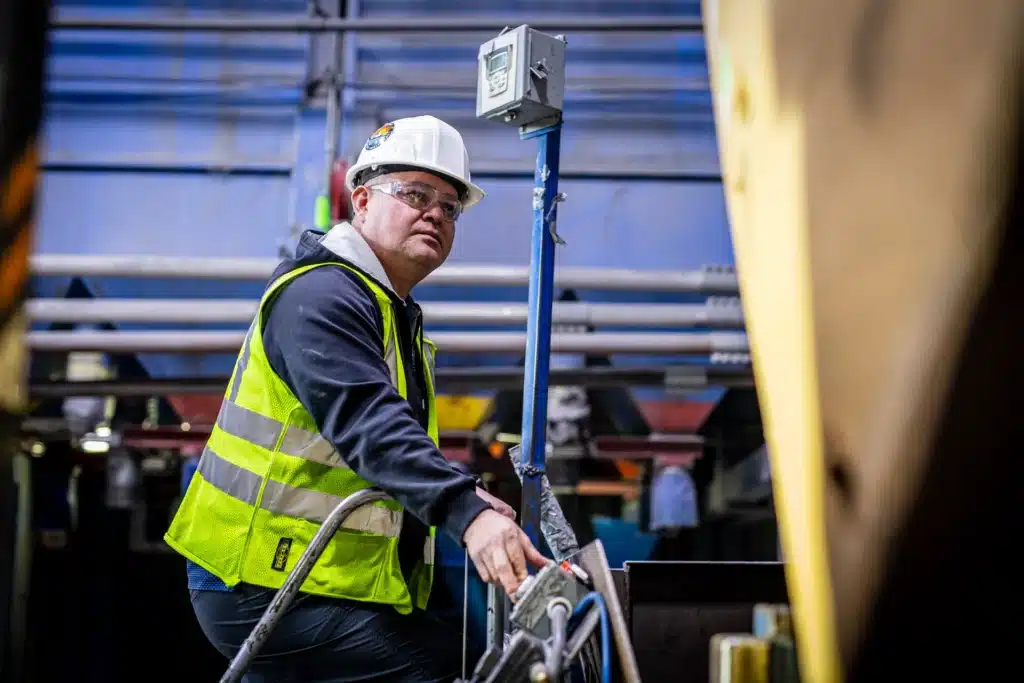
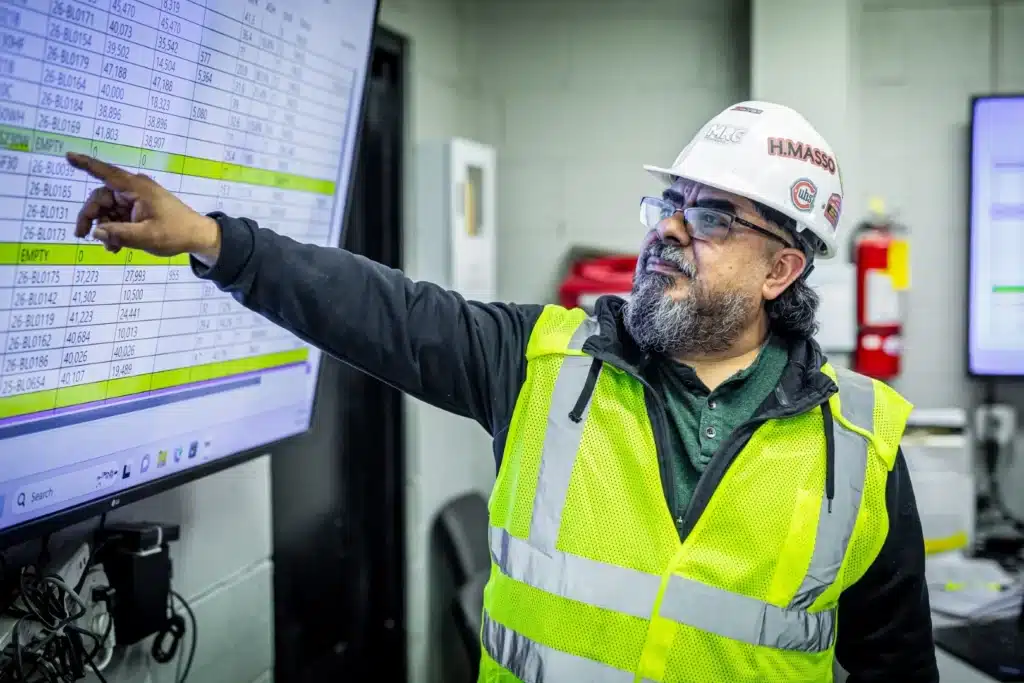
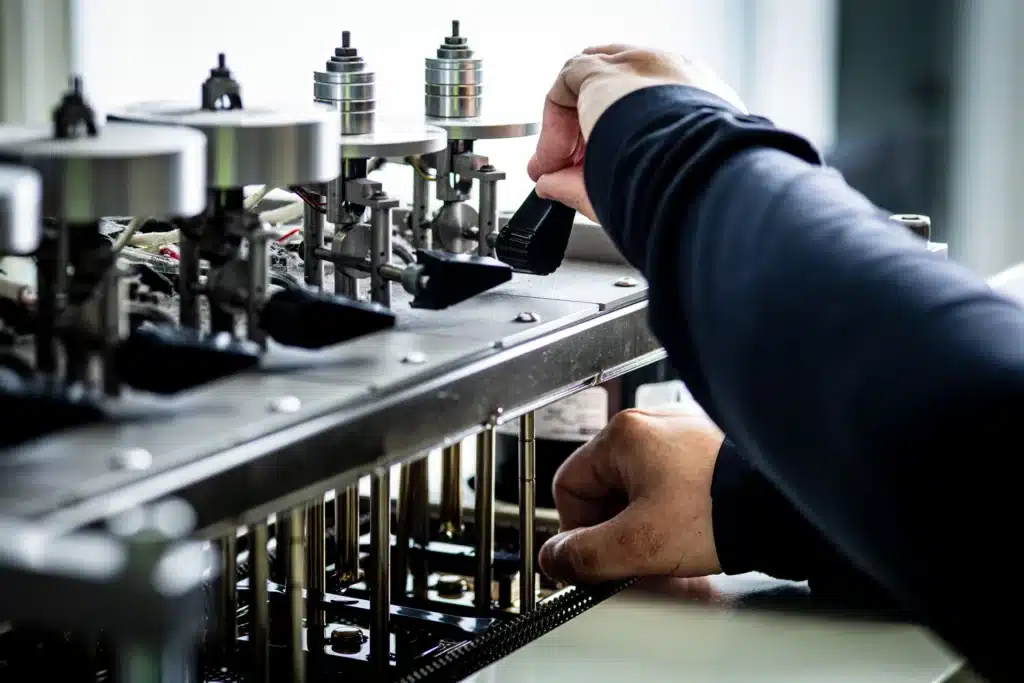
From intake to final formulation, we monitor, adjust, and optimize to ensure materials meet performance expectations before they leave our facility. That control is what allows circular inputs to perform like engineered materials.
A datasheet doesn’t guarantee results. What matters is how a material performs in real conditions, over time, at scale. We validate materials to ensure they meet both technical requirements and real-world demands before they ever reach your process.
What We Validate
Every material is tested against the conditions it will face in production.
Reach out with technical questions, production challenges, material inquiries, or supply stream opportunities. Our team will review your request and connect you with the right person.